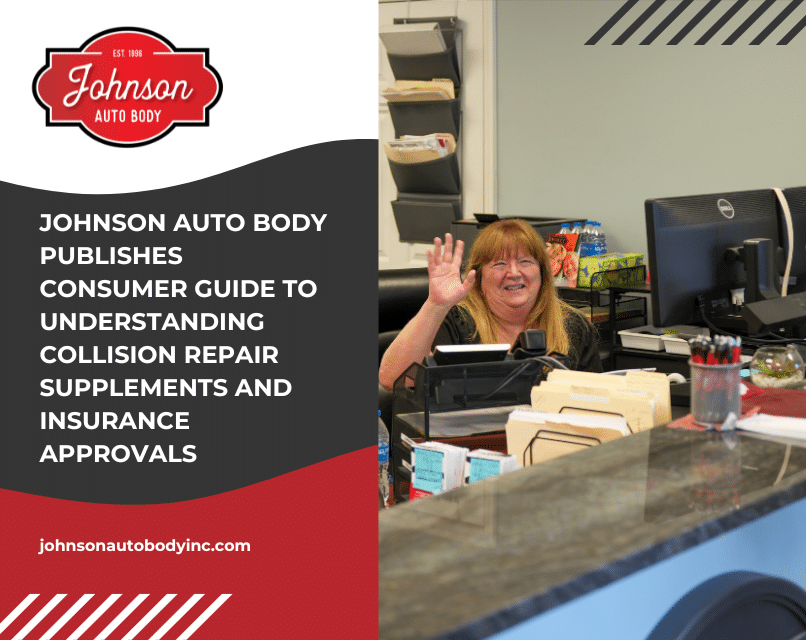
Johnson Auto Body Publishes Consumer Guide to Understanding Collision Repair Supplements and Insurance Approvals
Knightdale, NC - November 11, 2026 - PRESSADVANTAGE - Johnson Auto Body Inc., an independent collision repair facility
Press Release Disclaimer: This is a press release distributed through the XPR Media network. It has not been independently verified by our newsroom.

Knightdale, NC – November 11, 2026 – PRESSADVANTAGE –
Johnson Auto Body Inc., an independent collision repair facility in Knightdale, North Carolina, is sharing consumer guidance to help drivers understand collision repair supplements and insurance approvals after an accident. The November resource explains why initial estimates may change, how additional damage is documented, and what vehicle owners should know when insurance reviews affect repair timelines.
The guidance addresses a common misconception that an initial collision repair estimate includes every repair needed to restore a damaged vehicle. Preliminary estimates generally reflect damage identified during the first inspection, while additional conditions may remain concealed behind exterior panels, bumpers, and other components. Johnson Auto Body’s consumer information focuses on four questions drivers should ask when supplemental repairs become necessary.
The first question is why the original repair estimate changed. Collision repair technicians may discover damaged mounting brackets, reinforcement components, structural areas, or electrical connections after removing exterior parts. When additional collision-related damage is identified, the repair facility may prepare a supplemental estimate outlining the necessary repairs and associated costs.
A supplement does not automatically indicate an error in the initial estimate. Some damage cannot be fully evaluated until technicians gain access to concealed areas. Through its collision repair services, Johnson Auto Body addresses accident-related damage using documented inspection findings and repair planning.
The second question concerns the documentation supporting additional repairs. Insurance companies may request photographs, revised labor calculations, replacement parts information, or manufacturer repair procedures before evaluating a supplement. These records help explain what was discovered and why additional work may be necessary.
For example, removing a damaged bumper cover may reveal a compromised reinforcement component that was not visible during the preliminary inspection. The repair facility can document the condition and submit an updated estimate identifying the proposed repairs. Vehicle owners should ask what additional damage was found and whether supporting documentation is available.
The third question involves insurance authorization. Once a supplement is submitted, the insurance company reviews the requested operations according to the applicable policy, claim circumstances, and coverage requirements. The insurer may approve the additional work, request further information, or question particular repair recommendations.
Johnson Auto Body emphasizes that identifying necessary repairs and determining insurance coverage are separate responsibilities. Repair professionals evaluate vehicle damage and recommend appropriate procedures, while insurance companies determine payment obligations under the applicable policy. Approval is not guaranteed, and disagreements may involve labor operations, replacement components, or whether damage is related to the reported accident.
Customers should ask which supplemental repairs have been approved and whether any remain under review. They should also clarify potential out-of-pocket expenses before authorizing work that could create additional financial responsibility. Understanding these details can help prevent confusion as the repair process continues.
The fourth question concerns how supplemental approvals affect completion timelines. A vehicle may already be disassembled when technicians discover additional damage requiring insurance review. Certain repairs may need to wait for authorization, replacement parts, or completion of other required operations.
Repair schedules can also change when additional structural work, diagnostic procedures, or manufacturer-required inspections become necessary. Johnson Auto Body encourages customers to request updated completion estimates when supplemental findings affect the original repair plan. Clear communication can help drivers arrange transportation and understand the remaining stages of repair.
Modern vehicle construction can make supplemental assessments more complex. Advanced materials, electronic components, and driver-assistance systems may require specific procedures when accident damage affects related areas. Depending on the vehicle and repair operations, additional work may include structural measurements, diagnostic scanning, or calibration.
These procedures should be based on documented findings and applicable manufacturer requirements rather than automatically included in every repair. Johnson Auto Body provides additional information about related restoration work through its auto body repair services.
The November guidance also addresses consumer questions about selecting a collision repair facility. North Carolina drivers generally have the right to choose where their vehicles are repaired, although insurance coverage and payment decisions remain subject to applicable policy terms and state requirements. Consumers seeking information about insurance claims and repair facility selection can consult the North Carolina Department of Insurance.
Choosing a repair facility does not guarantee that an insurer will approve every proposed operation. Vehicle owners should review their policy, request explanations of disputed charges, and maintain copies of relevant repair and insurance documentation.
For Knightdale drivers, Johnson Auto Body recommends focusing on four practical questions throughout the repair process: What additional damage was discovered? What documentation supports the supplement? Which repairs have received insurance approval? How will the updated repair plan affect the completion date?
These questions provide a straightforward way to understand why an estimate changes and what steps may remain before repairs are completed. They also help vehicle owners communicate more effectively with both the repair facility and insurance representative.
Johnson Auto Body’s November consumer guidance reinforces that supplemental estimates are a documented part of the collision repair process when additional damage is identified. Understanding how supplements are prepared, reviewed, and approved can help drivers make informed decisions and establish realistic expectations after an accident.
Additional information about the company’s repair services and location is available through Johnson Auto Body in Knightdale.
About Johnson Auto Body Inc.
Johnson Auto Body Inc. is an independent collision repair facility established in 1996 and located at 821 H & R Drive, Knightdale, NC 27545. The company provides collision repair, auto body repair, structural restoration, automotive refinishing, and related vehicle restoration services for drivers in Knightdale and surrounding Wake County communities. Johnson Auto Body emphasizes documented repair planning, insurance coordination, and customer communication throughout the collision repair process.
###
For more information about Johnson Auto Body Inc, contact the company here:
Johnson Auto Body Inc
Todd McGee
(919) 217-2887
todd@johnsonautobodyinc.com
821 H and R Dr, Knightdale, NC 27545