Trump Administration Leverages Supreme Court’s ‘Shadow Docket’ to Advance Agenda
The article analyzes how the Trump administration is extensively utilizing the Supreme Court's "shadow docket" in the United States. This refers to the Court's process for handling emergency requests, which often results in unsigned rulings without detailed explanations. The Trump…
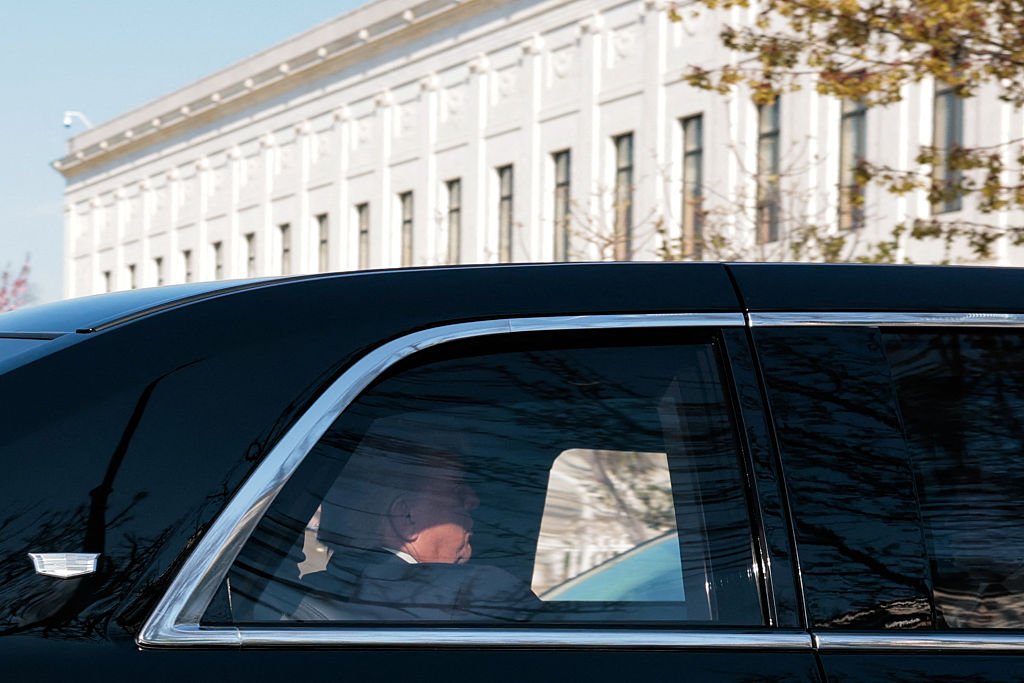
 Baltimore, MD, October 1, 2026 — The administration of former President Donald Trump made extensive use of the Supreme Court’s “shadow docket” to advance its policy objectives, a practice that has drawn scrutiny from legal experts and some members of the judiciary. The shadow docket refers to the Supreme Court’s process for handling emergency requests that often result in unsigned rulings without detailed explanations or lengthy deliberation.
Reports indicate that the Trump administration submitted a significantly higher number of these emergency requests compared to previous administrations. This strategy appears to have yielded a high success rate for the administration, enabling it to achieve policy victories on critical issues such as immigration, voter eligibility, and foreign aid. In many instances, these shadow docket rulings allowed the administration to bypass or override decisions made by lower federal courts.
Critics argue that the frequent use of the shadow docket by the executive branch circumvents standard legal review processes. This circumvention, they contend, can erode the principles of judicial review and potentially lead to a less transparent and more arbitrary application of law. Concerns have been voiced by various legal experts and some justices regarding the long-term impact of such practices on the integrity of the legal system. The specific details of the number of requests made or the exact success rate, beyond general indications of high usage and success, were not detailed in the summary.
The shadow docket, by its nature, involves urgent matters requiring immediate judicial attention. However, the practice of issuing rulings without extensive written opinions means that the legal reasoning behind these decisions is often not publicly elaborated, making it difficult to understand the Court’s full rationale and its implications for future legal interpretation. The extent to which this avenue was utilized by the Trump administration highlights a particular approach to administrative law and judicial engagement.
Further analysis of the specific cases, the identities of the critics, and the precise outcomes would provide a more comprehensive picture of this trend. However, the core of the concern revolves around the potential for the executive branch to leverage emergency court procedures to sidestep traditional legal checks and balances, thereby accelerating policy implementation with limited judicial oversight.
Story summarized from the original created by Connor Greene on time.com, see more information here.
Media gallery